Buying a home is likely the largest purchase most people make. In North Carolina’s fast‑moving market, a professional home inspection protects buyers from unexpected costs, safety hazards, and negotiation pitfalls. Below is a clear, practical guide—rooted in North Carolina rules, market realities, and inspection best practices—designed to help buyers understand what an inspection does, what it doesn’t do, typical costs, common findings in NC, and how to use the report to save money.
1. What a home inspection is — and what it isn’t
A home inspection is an evaluation of the visible and accessible systems and components of a house (roof, foundation, plumbing, electrical, HVAC, etc.). It gives buyers a snapshot of the property’s condition on the inspection day and highlights items that may need repair or further specialist evaluation. It is not an appraisal, a repair estimate, a code compliance certificate, or a guarantee that items won’t fail later. These distinctions are codified in North Carolina guidance for consumers.
2. Who can perform inspections in North Carolina
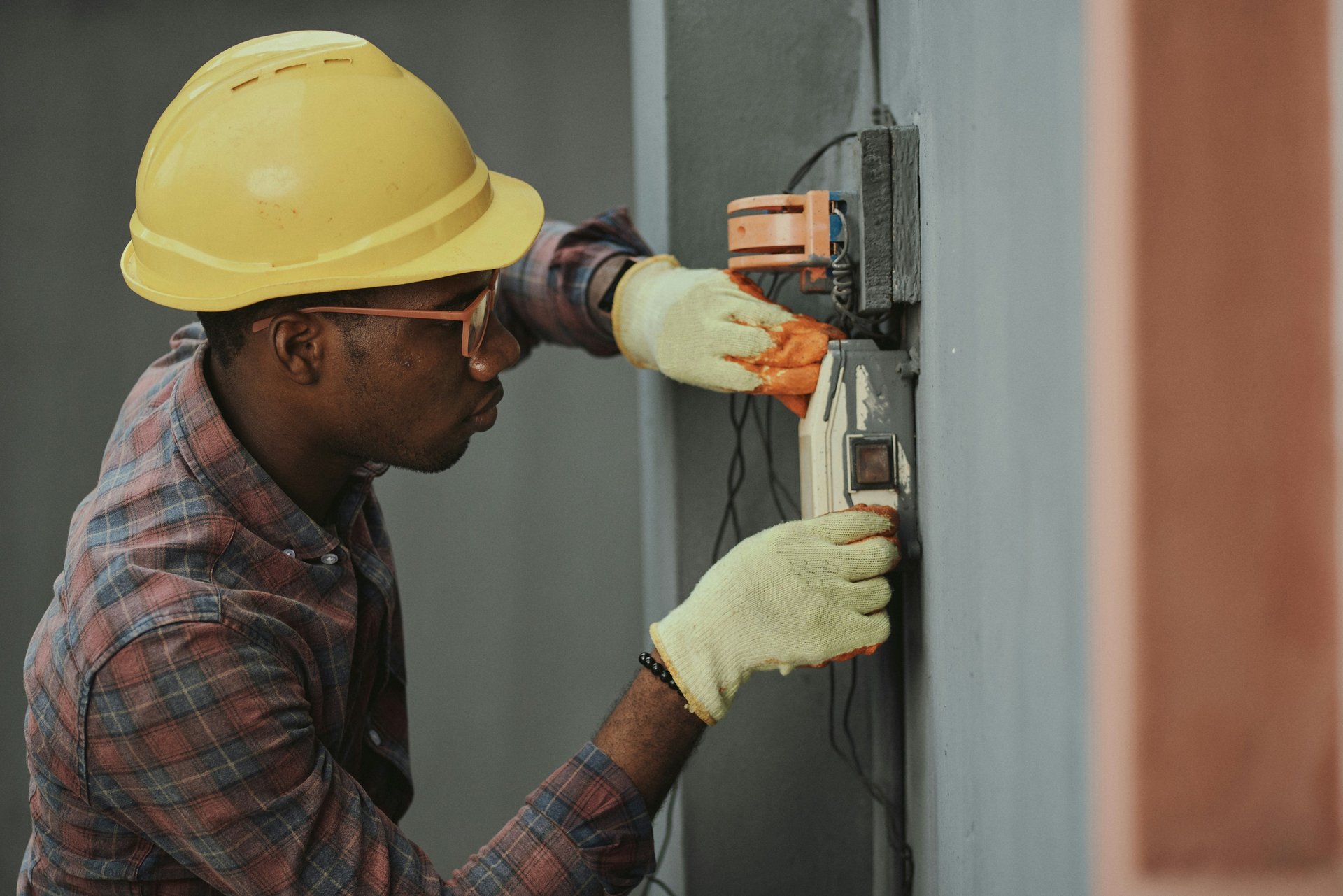
Only individuals licensed by the North Carolina Home Inspector Licensure Board may perform paid home inspections in the state. Licensure requires pre‑licensing education, field training, passing the state exam, and adherence to the Board’s Standards of Practice and Code of Ethics. Hiring a licensed inspector ensures you’re working with someone who meets state minimums and is accountable to the Board.
3. Typical cost and what affects price (NC 2026 snapshot)
-
Typical range: Most standard single‑family home inspections in North Carolina run roughly $350–$650, with averages around $450–$550 depending on home size, age, and region. Add‑ons (radon, sewer scope, mold, termite, thermal imaging) commonly add $75–$400 each.
Why price varies: larger square footage, older homes, crawlspaces/basements, and urban service areas increase time and cost. Specialized tests (radon, sewer scope) require equipment and extra labor.
4. Common inspection findings in North Carolina and their financial impact
Inspectors in NC frequently identify issues that can lead to significant expenses if missed:
-
Roof wear, missing flashing, or damaged shingles — can lead to leaks and interior damage.
-
Moisture and drainage problems in crawlspaces or basements — mold, wood rot, and structural decay are common in humid climates.
-
Aging HVAC systems or improper installations — replacement or major repairs can cost thousands.
-
Electrical hazards (old wiring, overloaded panels) — safety risk and costly to remediate.
-
Plumbing issues and sewer lateral problems — sewer scopes often reveal blockages or collapsed lines that are expensive to repair.
Identifying these issues before closing allows buyers to negotiate price reductions, request repairs, or walk away—saving potentially thousands. National and regional housing reports show that as affordability tightens, avoiding unexpected repair costs is increasingly important for buyers.
5. How an inspection helps buyers save money (real, practical ways)
-
Negotiation leverage: Use documented defects to request seller repairs, credits at closing, or a lower purchase price.
-
Budget planning: Knowing system ages (roof, HVAC, water heater) lets buyers plan for replacements and avoid surprise expenses.
-
Targeted specialist inspections: If the inspector flags concerns (mold, radon, termites, sewer), you can order focused tests that prevent costly surprises later.
-
Avoiding bad investments: A major structural or environmental problem discovered during inspection can justify walking away—saving the buyer from a poor long‑term investment.

6. Best practices for North Carolina buyers
-
Hire a licensed NC inspector and confirm they follow the Board’s Standards of Practice.
-
Attend the inspection when possible—seeing issues firsthand helps buyers understand severity and cost.
-
Request a detailed, photo‑rich report and ask for contractor estimates for major items.
-
Add targeted tests (radon, sewer scope, termite) when the property or region suggests risk—NC’s humid climate and older infrastructure make these tests valuable.
-
Use the report strategically in negotiations—focus on safety and major systems rather than cosmetic items.
7. Quick FAQ (based on NC guidance)
Q: Will an inspection find everything? A: No. Inspections evaluate visible and accessible items on the day of inspection; they are not exhaustive. Additional specialist inspections may be needed.
Q: Can sellers perform inspections? A: Sellers sometimes order pre‑listing inspections, but buyers should still obtain their own independent inspection to ensure neutrality.
Q: Are inspections required by lenders? A: Not always. Lenders may require certain appraisals or tests, but a general home inspection is typically the buyer’s decision—and a highly recommended one.
In North Carolina’s 2026 market—where affordability pressures, aging housing stock, and regional growth intersect—a professional, licensed home inspection is not optional; it’s a financial safeguard. The inspection uncovers hidden costs, informs negotiation strategy, and gives buyers the clarity needed to make confident decisions. Investing in a thorough inspection (and targeted follow‑up tests) can save buyers thousands and prevent costly surprises after closing.