The Future of Raleigh Is Being Built Right Now
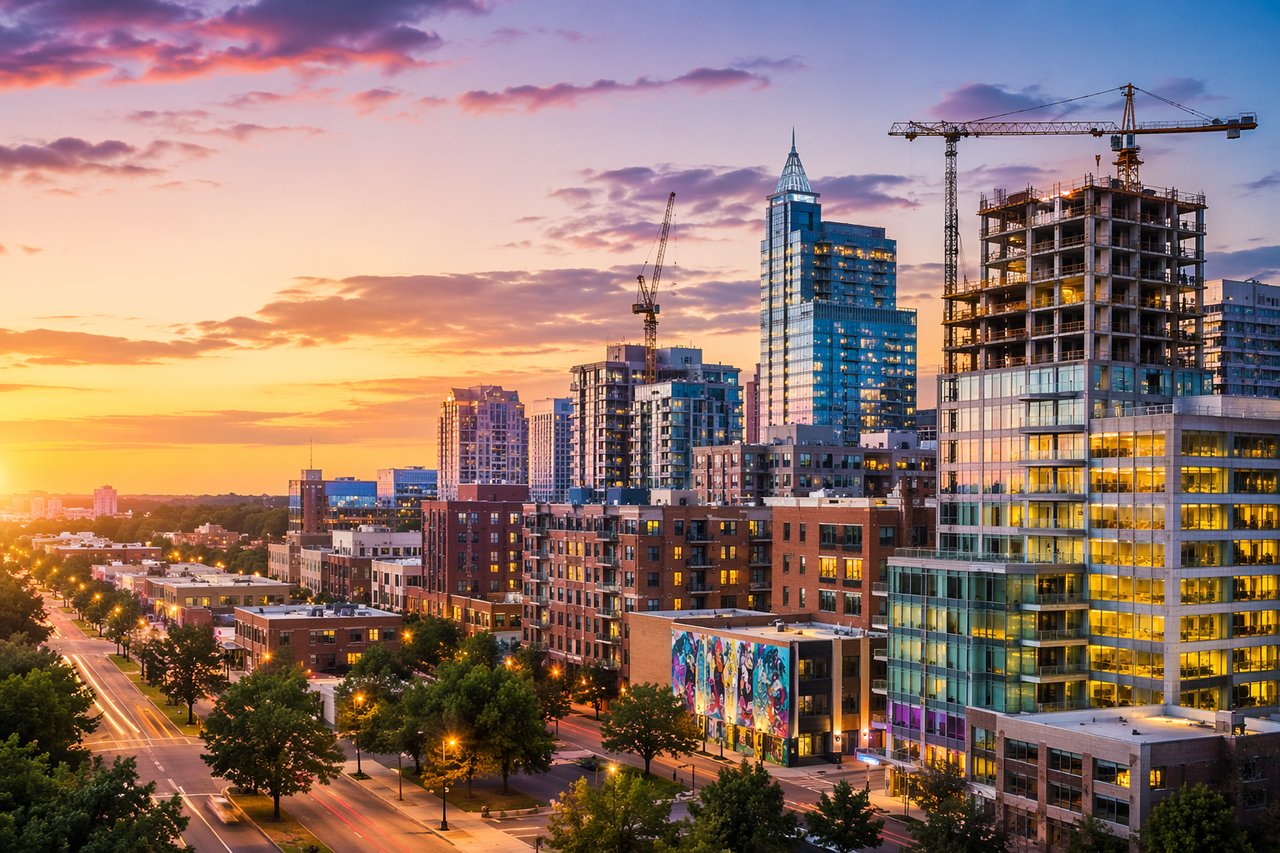
If you’ve driven through Downtown Raleigh recently, you’ve likely noticed something unmistakable: cranes, construction, and rapid change.
That’s because Raleigh is in the middle of one of the most aggressive growth cycles in the country, with a development pipeline exceeding $8.2–$8.3 billion across downtown alone.
This isn’t just incremental growth—it’s a complete urban transformation. From luxury residential towers to high-end hotels and mixed-use lifestyle districts, the city is evolving into a true live-work-play destination.
For buyers, sellers, and investors, this moment matters.
What’s Actually Being Built?
Let’s break down what this massive pipeline includes:
- Thousands of new residential units (apartments + condos)
- Expanded hotel inventory (supporting tourism + conventions)
- Hundreds of thousands of square feet of retail + office space [downtownraleigh.org]
These developments are concentrated across:
- Downtown core (Fayetteville Street / Glenwood South)
- Warehouse District
- Midtown corridors and expansion zones
Downtown Raleigh alone has experienced millions of annual visitors and sustained growth in commercial activity, reinforcing its role as the city’s economic and cultural anchor.
Why This Is a Big Deal for the Housing Market
1. Inventory Is Expanding — Fast
For the past few years, Raleigh has been defined by low inventory and competitive bidding wars.
That dynamic is changing.
With thousands of new units hitting the market:
- Buyers have more options than they’ve had in years
- Renters are seeing more availability across price tiers
- Developers are competing harder for tenants and buyers
👉 Translation: We are entering a more balanced market.
Short-Term Pressure on Rents and Pricing
Here’s the reality most headlines won’t clearly explain:
While demand remains strong, supply is catching up—fast.
That creates:
- Short-term rent pressure
- Increased use of lease concessions (free rent, incentives)
- More negotiation power for renters and buyers
This aligns with broader reports that the market is actively absorbing a wave of new multifamily supply, signaling a temporary imbalance.
But Long-Term Demand Is Still Strong
Despite short-term shifts, the fundamentals remain intact.
Downtown Raleigh continues to benefit from:
- Population growth
- Job expansion (tech, biotech, finance)
- Increasing urban lifestyle demand
In fact, the scale and diversity of current development reflect confidence from institutional investors and developers in Raleigh’s long-term trajectory.
👉 This isn’t a downturn—it’s a reset and maturation phase.
What This Means for You (By Audience)
🏡 Buyers
Opportunity window is opening.
- More inventory = less competition
- New construction = potential incentives
- Sellers more flexible on price + closing terms
👉 Strategic buyers can enter prime areas at better terms than in 2021–2023.
Investors
This is where positioning matters most.
Short-term:
- Softer rents in some downtown segments
- More negotiable asset pricing
Long-term:
- Urban demand still rising
- Major appreciation tied to neighborhood transformation
👉 Key strategy: Target properties in path-of-growth zones near new developments.
Sellers
The game has changed.
- Pricing must be data-driven, not aspirational
- Condition + presentation matter more than ever
- Buyers now compare multiple options side-by-side
👉 Homes that are properly positioned still sell—but overpricing leads to stagnation.
Relocating Families
Raleigh remains one of the most attractive relocation markets in the U.S.
This development surge means:
- More housing options across budgets
- New lifestyle hubs (walkability, amenities, schools)
- Expansion beyond traditional hotspots
👉 You’re not just buying a home—you’re buying into a city actively leveling up.
Where to Watch Right Now
Based strictly on current development distribution:
- Downtown Core → Urban living + condo growth
- Glenwood South → Lifestyle + rental demand
- Warehouse District → Adaptive reuse + cultural growth
- Midtown / North Hills → Continued mixed-use dominance
These areas are directly benefiting from the $8B+ investment momentum shaping the city.
If you’re considering buying, selling, or investing in Raleigh, let’s identify:
- Which developments impact your neighborhood
- Where the next growth pockets are forming
- And how to position you ahead of the market shift
Send us a message or schedule a strategy call—this is a timing-sensitive window.