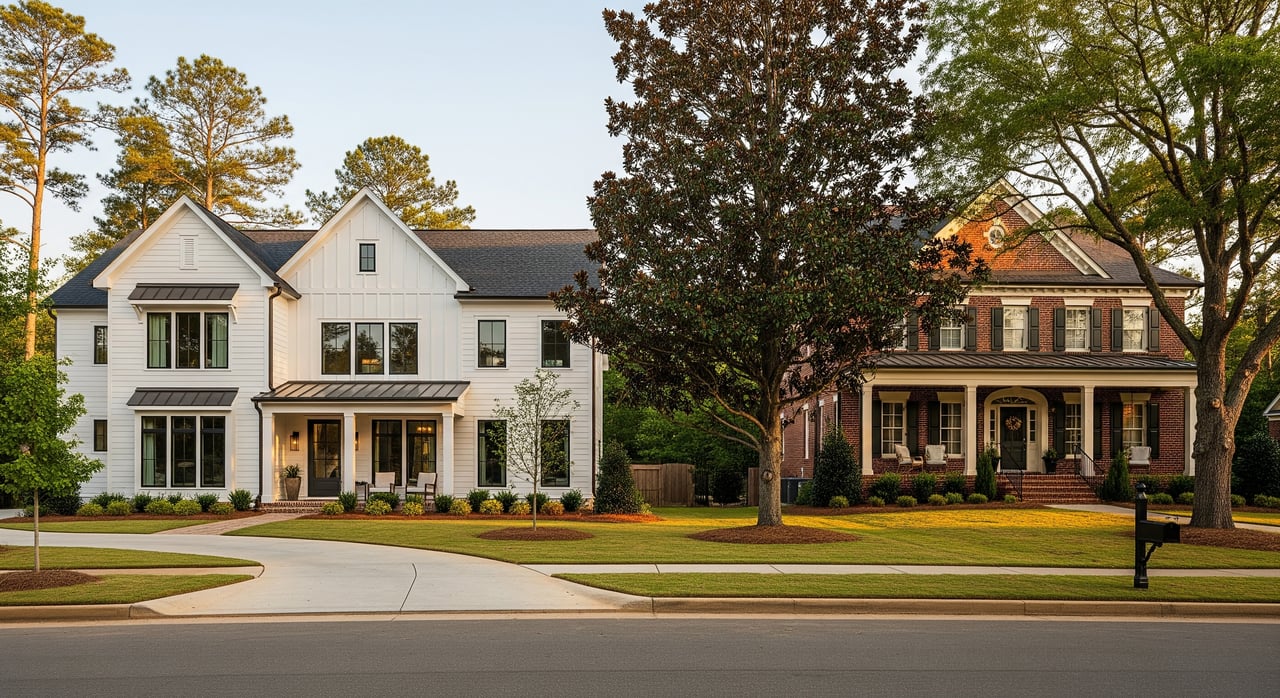
Thinking about buying in Fuquay-Varina but torn between a brand-new build and an established resale home? It is a real decision, and both paths can be smart depending on your budget, timing, and lifestyle. This guide breaks down real costs, timelines, inspections, financing, and local Fuquay-Varina factors so you can move forward with confidence. Let’s dive in.
New vs resale at a glance
- New construction can deliver modern layouts, energy-efficient systems, and warranties.
- Resale often offers established neighborhoods, mature landscaping, and quicker closings.
- Your best choice depends on total cost of ownership, timing, and how much customization you want.
Total cost of ownership in Fuquay-Varina
New construction costs
- Base price plus upgrades, options, and lot premiums can raise the delivered cost.
- Newly built homes often have lower first-year maintenance and utility costs due to current codes and new systems.
- Expect the possibility of higher assessments after the county updates the property’s value. Clarify timing with the tax office.
Resale costs
- Purchase price can be more negotiable depending on condition and days on market.
- Plan for near-term repairs or replacements on items like roof, HVAC, and appliances.
- In some cases, assessed values lag market prices, which can affect taxes until the next revaluation.
Timeline and closing certainty
- New construction typically takes longer. Depending on stage and builder pipeline, plan for several months and the chance of weather or supply delays.
- Resale tends to close faster. With financing in place, many transactions close in about 30 to 60 days, and cash can shorten that.
- If you need flexibility with a lease or the sale of your current home, weigh this factor heavily.
Condition, inspections, and risk
New construction inspections
- “New” still needs oversight. Hire an independent inspector for pre-drywall and final inspections.
- Confirm the punch-list process and what qualifies as cosmetic vs structural items.
- Keep records of walkthroughs, repairs, and builder sign-offs.
Resale inspections
- Order a full home inspection and bring in specialists as needed for roof, HVAC, or pest.
- Review seller disclosures, permit history, and any documented renovations.
- Use inspection results to negotiate repairs or credits.
Customization and finishes
- New construction lets you select floorplans, finishes, and options if you buy early in the build. Customization can add cost and time.
- Resale offers what you see on day one. You can renovate post-closing, but factor in budget, permits, and timelines.
Warranties and consumer protections
- Builders typically provide a warranty package, often covering workmanship in the first year, systems for a longer period, and structural items for the longest term. Verify exact coverage and claim steps.
- Resale usually has no builder warranty. You can ask the seller for a home warranty plan or purchase one yourself.
Financing differences to expect
- New construction may involve a construction-to-permanent loan if you are building from scratch. If buying a spec home, a standard mortgage may apply.
- Many builders offer incentives with preferred lenders, such as closing cost help or rate buydowns. Compare the rate, fees, and credits against quotes from other lenders.
- Resale financing follows standard conventional, FHA, or VA pathways with more comparable sales to support appraisal.
Resale value and neighborhood context
- New homes can attract future buyers with modern design and efficiency, but nearby supply of similar new homes can temper short-term resale.
- Established neighborhoods may offer steadier demand and mature streetscapes.
- In Fuquay-Varina, school assignments, road improvements, and new amenities often influence appreciation more than new vs resale alone.
Fuquay-Varina local factors to check
Growth and development
- Fuquay-Varina is growing, with residential activity shaped by town planning decisions. Review current development approvals, annexations, and rezoning through the Town’s Planning and Inspections resources to see where new homes are headed.
Schools and assignments
- Verify current school assignments through Wake County Public School System tools. Assignments and capacity can affect both demand and future resale.
Utilities, sewer, and septic
- Many areas are on municipal water and sewer, but some outlying properties use septic. Confirm utility status at the parcel level through Wake County GIS and town utilities.
Floodplain and drainage
- Use FEMA and Wake County floodplain maps to check flood risk and drainage. For new builds, ask for finished floor elevation and stormwater details.
Property taxes and HOAs
- New subdivisions may form HOAs with initiation fees and monthly dues. Ask about rules, amenity plans, and any upcoming assessments.
- Confirm combined Wake County and town tax rates and understand how and when a new home’s assessment may adjust.
Builder incentives
- Incentives can include closing cost help, appliance packages, or temporary rate buydowns when inventory is high or sales slow. Focus on the net cost after incentives.
Negotiation tips
New construction
- Ask about closing cost credits, rate buydowns, and upgrade allowances.
- Negotiate lot premiums and included features where possible.
- Use recent sales within the same community for leverage on pricing and finishes.
Resale
- Lean on inspection findings, days on market, and recent comparable sales to support your offer.
- Consider credits in lieu of repairs to control your post-closing project timeline.
- Adjust closing dates and contingencies to meet seller needs without sacrificing your protections.
Buyer checklists
New construction buyer checklist
- Request site plan, recorded covenants, HOA budget and rules, and written warranty details.
- Confirm build timeline, delay contingencies, and the punch-list process in writing.
- Decide on financing early. If a construction-to-perm loan is needed, work with a lender experienced in new builds.
- Schedule independent inspections at pre-drywall and final stages.
- Clarify upgrades, allowances, change-order fees, and who handles landscaping and irrigation.
Resale buyer checklist
- Order a full inspection and any needed specialist evaluations.
- Review seller disclosures, permit records, and any past improvements for code compliance.
- Analyze neighborhood comparables and typical utility costs when available.
- Verify current school assignments and any upcoming district changes.
Coordinating a buy-sell at the same time
- If you are selling a resale to buy new, discuss bridge loans, rent-backs, or sale contingencies that sync with builder timelines.
- Prep your home with key repairs and staging to maximize sale price and reduce uncertainty.
- Clarify builder closing windows early so you can time your listing and move.
What is right for you
- Choose new construction if you want modern layouts, energy efficiency, and warranty coverage, and you have the time to wait for the build.
- Choose resale if you value a quicker move, mature neighborhoods, and the potential to negotiate price and repairs.
- In either case, focus on total cost, timing, and local Fuquay-Varina factors like schools, utilities, floodplain, and town development plans.
Ready to compare specific homes or communities in Fuquay-Varina and map out the right strategy for your timeline and budget? Connect with the local team that guides you step by step. Reach out to Alluvium Elite Realty to get started.
FAQs
Is it cheaper to buy new or resale in Fuquay-Varina?
- It depends on upgrades, lot premiums, and near-term maintenance. New homes may cost more upfront but can lower first-year upkeep, while resales may be cheaper to buy but need repairs.
How long does new construction take in Fuquay-Varina?
- Timelines vary by builder, weather, and supply. Plan for several months from contract to close, and build in flexibility for potential delays.
Do I need a home inspection on a brand-new house?
- Yes. Independent inspections at pre-drywall and final stages help catch issues early and document conditions before closing.
What incentives do Fuquay-Varina builders offer?
- Incentives vary and can include closing cost help, rate buydowns, or upgrade credits. Compare the net price and total loan terms against other lenders.
How do property taxes work on new construction in Wake County?
- New homes are often reassessed after completion or closing. Ask the county tax office about timing and how updated values could affect your tax bill.