Is Apex a smart place to buy a rental right now? If you want stable demand with Triangle job access and a family-friendly suburban feel, Apex often lands near the top of the list. You also want clear numbers, local rules, and a step-by-step plan so your investment pays off. In this guide, you’ll learn Apex rent and price snapshots, how to run the math, what to buy and where, key regulations, and the exact steps to close with confidence. Let’s dive in.
Why Apex works for rentals
Apex sits near the heart of the Triangle’s job engine. The Research Triangle Park is a major driver of long-term housing demand for tech and life-science professionals across the region. You can expect steady interest from commuting professionals and households who value an easy drive to RTP and nearby job centers. Learn more about the park’s growth and reinvestment in resources from Research Triangle Park.
Population growth supports the case as well. The Town of Apex reports an estimated 84,788 residents as of December 30, 2025, which confirms its status as a fast-growing Triangle suburb. You can view town population details on the Apex population page.
Renters in Apex include families and commuting professionals. Neighborhood amenities, commute access, and neutral, factual school considerations shape where many households choose to live. Owner occupancy is relatively high, which can influence turnover and vacancy patterns compared with denser urban markets.
What to buy in Apex
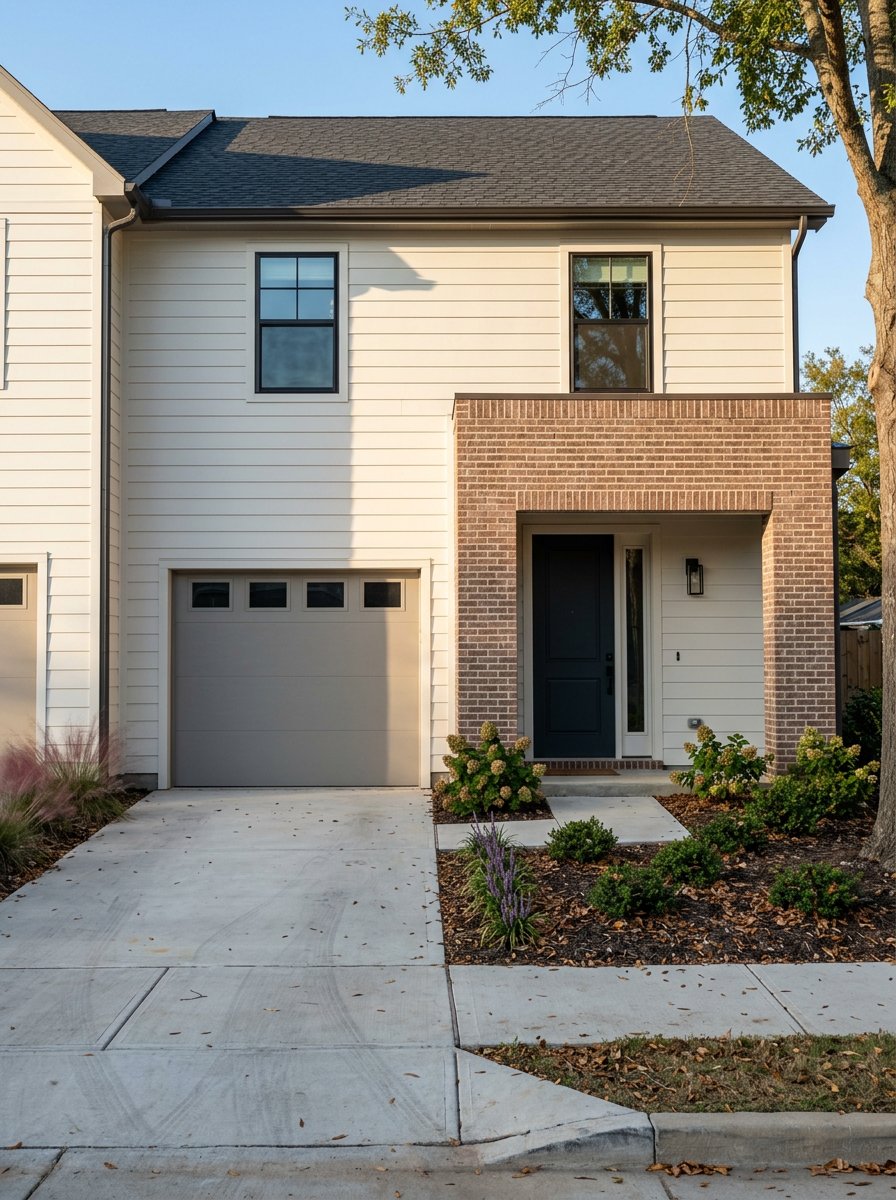
Apex’s housing stock leans heavily toward single-family homes. In several ZIP codes, single-family units make up roughly 75 to 90 percent or more of total housing. That makes single-family rentals and townhomes the most common investor product types. You can confirm high single-family share in the city profile on ZIP-Codes.com.
Neighborhood and micro-market choice matters. Investors often evaluate areas such as Beaver Creek and Beaver Creek Crossings, Friendship, West Apex and Park Village, downtown Apex around historic Salem Street, and West or Ashley Woods. Each pocket can draw a different renter profile and rent level, so build micro-comps with MLS sales, active-for-rent data, and property manager rent rolls.
Rents and price snapshot
Apex is a high-amenity market with strong demand, and current prices reflect that. The Zillow Home Value Index shows a recent median home value around $588,728 for Apex. On the rent side, different providers give different snapshots because they track different product types.
- RentCafe reports an average apartment rent of about $1,630 per month.
- Apartments.com shows a figure near $1,420 for apartment listings.
- Zillow’s observed rent index is about $1,999.
- Realtor.com lists a median rent near $1,900 on its Apex pages.
These differences reflect samples that may skew toward apartments, listed single-family homes, asking rents, or effective rents. Use the RentCafe Apex trend page as one reference point, then reconcile with local rent rolls for the exact bedroom mix and product type you plan to buy.
How to run the numbers
Start with a few core metrics so you can compare deals apples to apples:
- Gross rent yield: annual rent divided by purchase price.
- Net Operating Income (NOI): effective gross rent after vacancy minus operating expenses.
- Cap rate: NOI divided by purchase price.
- Cash-on-cash return: annual cash flow after debt service divided by your cash invested.
Here is an example using local snapshots. This is for illustration only. Plug in your property’s actual taxes, insurance quotes, HOA fees, and rent comps.
- Purchase price example: $588,728 (recent Apex median).
- Monthly rent example: $1,630 (RentCafe average apartment rent).
- Annual gross rent: $1,630 × 12 = $19,560.
- Gross rent yield: $19,560 ÷ $588,728 ≈ 3.3%.
Now convert to a simple NOI and cap rate with conservative assumptions:
- Vacancy allowance: 5 percent → collected rent ≈ $18,582.
- Property taxes: Apex adopted a FY25–26 town tax rate of $0.356 per $100 of assessed value. A common combined town plus county example is roughly 0.997 percent of assessed value. At the example price, taxes ≈ $5,870 per year. See the Apex Budget Highlights for the town rate, then verify the parcel’s exact Wake County millage on the county tax page.
- Management: assume 10 percent of collected rent ≈ $1,858. Typical full-service ranges are 8 to 12 percent, plus a leasing fee. See typical pricing in this overview of property management costs.
- Insurance: example $1,200 per year. Get local quotes.
- Maintenance and reserves: about 8 percent of gross rent ≈ $1,565.
Effective NOI ≈ $18,582 − ($5,870 + $1,858 + $1,200 + $1,565) = $8,089. Cap rate ≈ $8,089 ÷ $588,728 ≈ 1.4 percent under these inputs.
What the math says. Apex often rewards you with stability, quality-of-life appeal, and long-term demand. It may not produce high cash-on-cash returns at typical down payments unless you secure a below-market purchase, choose an older or smaller asset, or bring more cash to the table. If near-term cash flow is your priority, run scenarios with different down payments and interest rates, and compare submarkets and older housing stock.
Screen with simple rules
Use quick filters to save time, then underwrite fully once a property passes the first look.
- 1 percent rule: monthly rent around 1 percent of purchase price. In Apex, current price-to-rent levels rarely meet this screen. Use it as a fast fail. See context in this overview of the 1 percent and 50 percent rules.
- 50 percent rule: estimate about 50 percent of gross rent for expenses before the mortgage. Replace this with line items once you move to formal underwriting.
Regulations and risk checks
Before you commit, confirm use, costs, and legal obligations specific to your parcel and plan:
- Title and liens: order a full title search and owner’s policy. See a high-level guide to investor due diligence steps in this roadmap for investors.
- Survey: verify boundaries, easements, and encroachments.
- Physical inspections: general inspection plus specialists as needed for roof, HVAC, plumbing, electrical, termite and pest, and a sewer camera. Consider radon or other tests when indicated.
- Zoning and permitted use: confirm long-term rental use is allowed and document any short-term rental limits. Wake County and several municipalities require permits and occupancy or tax compliance for STRs. Start with this summary of Wake County short-term rental rules, then verify locally for the exact address and HOA.
- HOA and covenants: many HOAs limit STRs or require owner occupancy percentages. Pull bylaws and rental rules before you offer.
- Local taxes and assessments: Apex set its FY25–26 town rate. Wake County revaluation and millage adjustments can change your actual tax bill. Model using the latest rates, then verify on the parcel’s county tax page. See the town rate in the Budget Highlights.
- Flood and hazards: search the FEMA Map Service Center and local floodplain maps. If the parcel is in a flood zone, add flood insurance and any building requirements to your pro forma. Start your lookup at the FEMA MSC.
- Tenant and lease audit: if you buy an occupied property, collect signed leases, deposits, rent history, and any pending disputes.
- Landlord obligations in North Carolina: security deposits, trust accounts, repair and notice duties, and safety devices such as smoke and carbon monoxide alarms are covered under state law. Review N.C. General Statutes Chapter 42 and have a local attorney refine your lease. You can read the Chapter 42 sections.
Property management basics
Many Apex investors hire a property manager, especially if they are out of area or busy professionals. Typical full-service fees range from 8 to 12 percent of collected monthly rent, plus a leasing fee often equal to 50 to 100 percent of one month’s rent. Managers usually handle marketing, screening, lease execution, rent collection, maintenance coordination, and owner statements. Review typical structures in this management cost overview.
Interview at least two managers. Ask about average days to lease in your submarket, screening criteria, how maintenance is priced and if markups apply, which marketing channels they use, sample owner statements, and references from local owners. Clarify whether management fees are charged on gross or collected rent, and how delinquency, eviction, or lease breaks are handled.
6-step buying plan
Clarify goals and budget. Decide if your target is cash flow, appreciation, or a blended return. Set your maximum purchase price and minimum acceptable return metrics.
Get lender preapproval. Choose a lender familiar with investment loans in Wake County. Ask for scenarios at different down payments and interest rates so you can compare cash-on-cash returns.
Target asset type and submarkets. Focus on SFRs or townhomes that match the tenant profile you want. Build a rent comp set using local manager rent rolls and recent listings that match your bedroom count and condition.
Underwrite the short list. Use parcel-level tax data, insurance quotes, HOA dues, and realistic maintenance reserves. Apply the vacancy rate you see from property managers in the exact neighborhood, not just a city average.
Offer and due diligence. Write terms that give you time for inspections and document review. Complete title, survey, inspections, HOA review, zoning verification, and flood checks. If the home is occupied, perform a full lease audit.
Close and prepare for leasing. Confirm utility responsibilities, set your marketing timeline, and coordinate professional photos and listing copy. Finalize your lease and required disclosures with an attorney, and confirm all North Carolina Chapter 42 requirements are met.
Common pitfalls to avoid
- Overestimating rent. National indices can be directionally helpful but may not match street-level asking rents. Always reconcile with local manager data.
- Missing HOA rental limits. A single clause can block your plan for short-term rentals or add waitlists or caps for new leases.
- Underbudgeting capital needs. Older roofs, HVAC systems, or original windows can change your cash flow for years. Add a separate capital reserve in your model.
- Ignoring new supply. RTP-area projects, including Hub RTP, are adding hospitality and mixed-use elements that can influence multifamily supply over time. Keep an eye on Hub RTP development updates.
- Assuming STRs are approved. Apex does not advertise a town-wide STR program like Raleigh’s. Confirm municipal rules, county requirements, and HOA restrictions before you plan on short stays.
Is Apex right for you?
If you value stable tenant demand, quality neighborhoods, and proximity to RTP, Apex can be a solid long-term hold. The tradeoff is that price-to-rent math often compresses gross yields, which can lead to modest cap rates at standard down payments. Many investors in Apex target appreciation, tax benefits, and lower turnover rather than high near-term cash flow. If you need stronger cash flow, look for value opportunities, smaller or older homes, or compare nearby submarkets while keeping your commute and amenity targets in view.
Ready to run the numbers on your exact plan and find the right property in Apex? Our boutique team combines local market knowledge, hands-on guidance, and responsive communication to help you invest with clarity. Connect with Alluvium Elite Realty to get tailored comps, parcel-level underwriting support, and on-the-ground expertise. Hablamos Español.
FAQs
What should Apex rental investors know about current returns?
- Sample math using recent medians points to a gross yield near 3.3 percent and a conservative cap rate around 1.4 percent, but your results will vary by price, rent, taxes, and expenses.
Are short-term rentals allowed in the Town of Apex?
- Short-term rental rules vary by municipality and HOA; review town zoning, county permit and occupancy or tax requirements, and HOA bylaws, and start with this summary of Wake County STR rules.
How much are property taxes for rentals in Apex?
- The town rate for FY25–26 is $0.356 per $100 of value, with a common combined town plus county example near 0.997 percent; model with the latest rates and verify the parcel’s Wake County tax page, starting with the Budget Highlights.
Which Apex property types tend to perform best as rentals?
- Single-family homes and townhomes are the most common investor choices given Apex’s housing mix, with demand from commuting professionals and households seeking neighborhood amenities; confirm rents with local manager rent rolls.
What do Apex property managers typically charge?
- Full-service managers often charge 8 to 12 percent of collected rent plus a leasing fee equal to 50 to 100 percent of one month’s rent, with services that cover marketing, screening, leasing, collections, maintenance coordination, and owner reporting, per this cost overview.