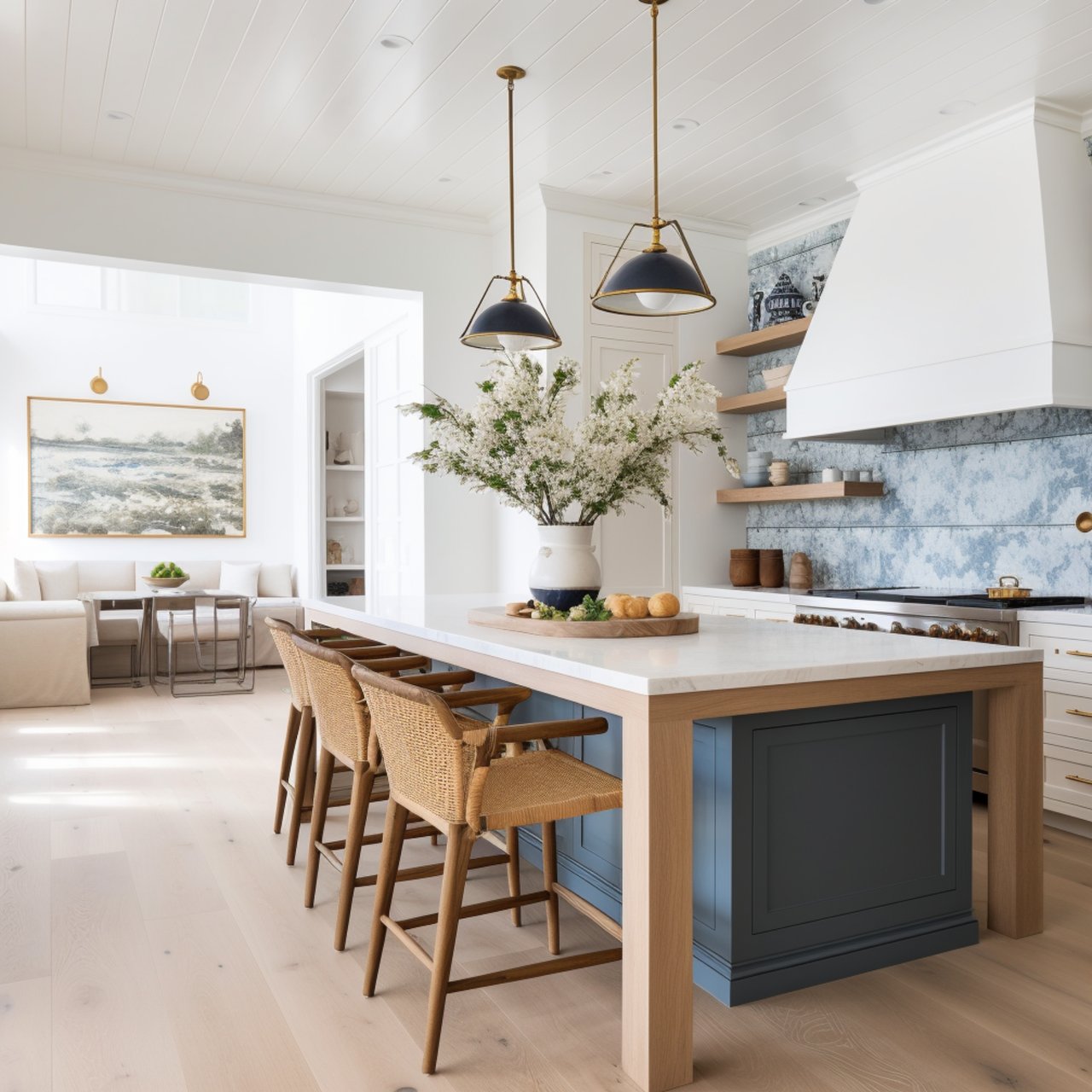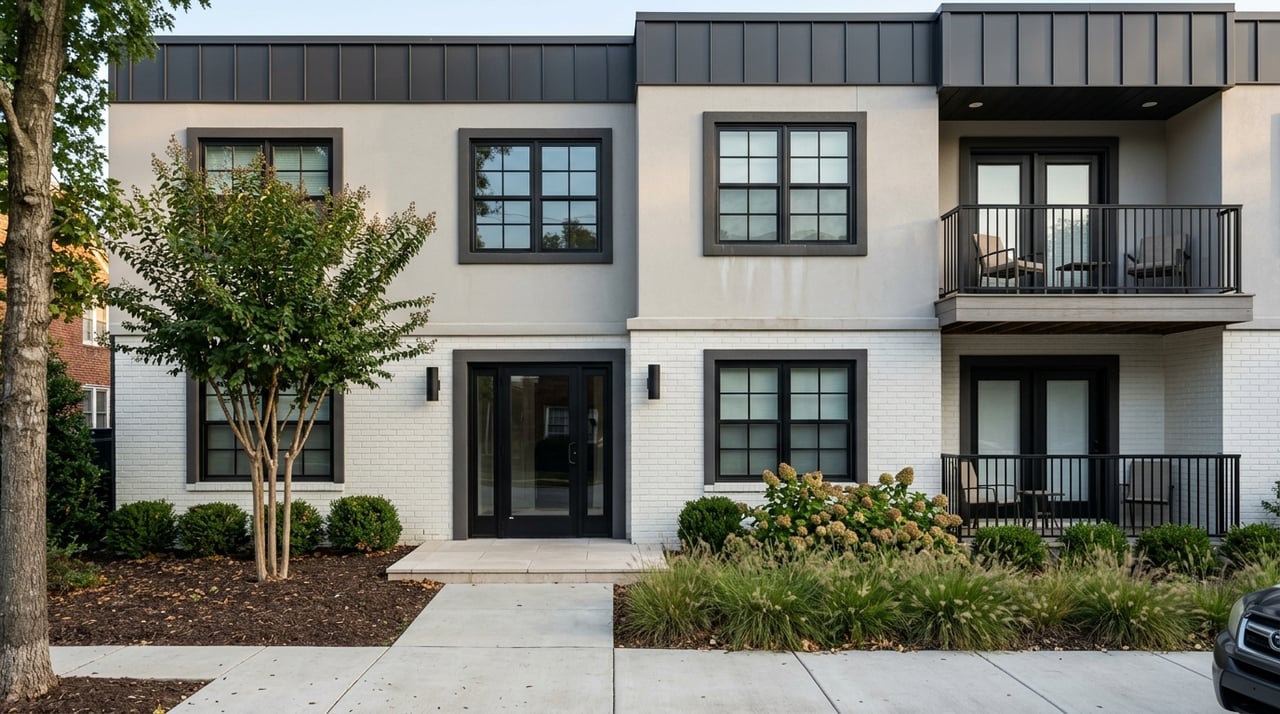
Trying to decide between a condo, townhome, or house in Raleigh? You are not alone. Many buyers want the right mix of price, space, upkeep, and location, and that balance can look very different depending on your lifestyle and goals. In this guide, you will learn how each option compares in Raleigh, what tradeoffs matter most, and what to verify before you make an offer. Let’s dive in.
Raleigh Housing Options at a Glance
Raleigh gives you a real mix of housing types, which is part of what makes this decision so important. In the city’s ACS 2020 5-year estimate, 45.0% of housing units were single-detached, 14.5% were attached, 11.4% were in buildings with 10 to 19 units, and 14.5% were in buildings with 20 or more units, according to the City of Raleigh HOME-ARP Allocation Plan.
That mix matters because Raleigh is not a one-size-fits-all market. The city has also said it is expanding housing choices because older zoning patterns favored larger single-family homes, while townhouses and other attached options can help spread costs and support walking and transit near jobs and shopping, as explained on the city’s housing choices and zoning changes page.
Current pricing also shows why buyers compare these property types so closely. A recent Raleigh snapshot cited in the research shows a citywide median sale price near $430,000, while condos and townhouses show lower current median list prices of about $358,000 and $325,000, respectively.
How Condos Compare in Raleigh
A condo is often the best fit if you want a smaller footprint and less exterior maintenance. In many condo communities, the association handles common elements, shared budgets, assessments, and common-area insurance, while you are generally responsible for your unit and interior maintenance under North Carolina condominium law.
That setup can appeal to buyers who want convenience more than yard space. If your priority is living closer to dining, parks, jobs, and cultural destinations, condos can be a practical way to get into more walkable parts of Raleigh.
Downtown Raleigh is the clearest local example. The Downtown Raleigh Alliance 2025 report notes continued buyer demand within one mile of downtown and points to downtown’s walkable lifestyle, job access, parks, dining, and culture. The same report says the planned One Nash Square tower will add 82 condominium units to the Fayetteville Street District.
The current condo market also gives buyers real inventory to explore. Research cited in the report shows about 293 condos for sale in Raleigh with a median listing price around $358,000, with condo concentration in areas such as Brier Creek, North Hills, Downtown Raleigh, North Raleigh, West Raleigh, Lochmere, Five Points, and Northwest Raleigh.
Condo Pros
- Lower exterior maintenance burden
- Often located in walkable, amenity-rich areas
- Smaller footprint may mean easier day-to-day upkeep
- Can offer a lower entry price than a detached house in some locations
Condo Tradeoffs
- HOA or condo association dues are part of your monthly carrying cost
- Shared walls and common areas are typical
- Rules and bylaws can affect how you use the property
- Interior responsibility still belongs to you in most cases
How Townhomes Compare in Raleigh
Townhomes sit in the middle. They often give you more space than a condo and less yard work than a detached house, which is why many Raleigh buyers see them as the best balance of budget, upkeep, and flexibility.
Raleigh planning staff specifically describe townhouses as part of the city’s missing-middle housing strategy. The city notes that they are often more accessible than a single-family home and can work well for households that do not want to maintain a larger house, especially when they are near jobs and shopping, according to the city’s housing choices guidance.
Ownership responsibilities can vary by community. Under North Carolina’s Planned Community Act, associations may maintain common elements and assess owners for those costs, while owners generally remain responsible for their own lots and improvements unless governing documents say otherwise.
In Raleigh today, townhomes are also a major part of the active market. The research report cites about 565 townhouses for sale with a median listing price near $325,000, and notes inventory in areas including Brier Creek, North Hills, Downtown Raleigh, and North Raleigh, based on Redfin’s Raleigh townhome snapshot.
Townhome Pros
- More interior space than many condos
- Less exterior and yard maintenance than many detached homes
- Often a more budget-friendly path than a house in similar areas
- Good middle ground for buyers who want function without too much upkeep
Townhome Tradeoffs
- HOA dues may apply
- Exterior responsibilities can vary by community documents
- Shared walls are common
- Outdoor space may be limited compared with a detached home
How Houses Compare in Raleigh
A detached house usually gives you the most privacy, yard use, and direct control over the property. For buyers who want more flexibility over the lot and exterior, that control can be a major advantage.
The tradeoff is maintenance. In a standard detached setup, there is usually no shared building shell and no association-managed exterior, so you are more directly responsible for the roof, siding, yard, and other exterior needs.
Detached homes still make up the largest single housing type in Raleigh. The city data in the research report show they remain a major part of the local market, even as the city expands other housing choices.
Raleigh’s historic district pages help illustrate this pattern. The city describes areas such as Roanoke Park as consisting nearly exclusively of modest single-family homes, while other areas cited in the report reflect a long-established detached-home pattern with yards and individual lots.
House Pros
- More privacy and separation from neighbors
- Greater control over the lot and exterior
- More potential for yard use and outdoor living
- Often the best fit if long-term flexibility is your priority
House Tradeoffs
- Highest maintenance responsibility in most cases
- Often a higher purchase price than condos or townhomes
- Yard work and exterior repairs fall more directly on you
- Ongoing ownership costs can be less predictable
Which Option Fits Your Lifestyle?
The best choice depends on how you live, not just what looks best online. Raleigh’s own housing guidance supports that idea by recognizing that different households need different tradeoffs.
If you want walkability and minimal exterior maintenance, a condo may be your best match. If you want a middle ground for space, upkeep, and budget, a townhome often makes the most sense. If you want privacy, yard use, and long-term control, a detached house is usually the strongest fit.
A simple way to think about it is this:
| Property Type | Best For | Main Tradeoff |
|---|---|---|
| Condo | Walkability and low exterior upkeep | Dues, shared spaces, community rules |
| Townhome | Balanced space and maintenance | Shared walls, variable HOA responsibilities |
| House | Privacy, yard use, direct control | More maintenance and often higher cost |
What to Verify Before You Buy
The label matters, but the documents matter more. Before you choose a condo or townhome, take time to understand exactly what the association covers and what you will be expected to handle.
The research report points to several key questions every buyer should ask:
- What do the monthly dues cover?
- How are reserves funded?
- Who handles exterior repairs?
- What insurance applies to common areas?
- What rules, restrictions, or approval processes come with the community?
North Carolina condo law and planned-community law both give associations the authority to collect assessments and enforce common-area rules. That is why the declaration, bylaws, and financial details can be just as important as the floor plan or location.
A Raleigh-Specific Way to Decide
In Raleigh, this choice often comes down to location, monthly budget, and maintenance tolerance. Buyers who want to be closer to downtown activity, mixed-use districts, or lower-maintenance living may lean condo. Buyers who want extra square footage without taking on a full detached-home workload often lean townhome. Buyers who care most about outdoor space and autonomy often lean house.
It also helps to remember the bigger local context. The city says more than 33% of Raleigh households are cost-burdened, which is one reason monthly carrying costs matter so much when comparing housing types. Looking only at purchase price can miss the bigger picture if dues, maintenance, or repairs change your real monthly comfort level.
The right choice is the one that supports how you want to live in Raleigh now and over the next few years. If you want tailored guidance on Raleigh condos, townhomes, or houses, Alluvium Elite Realty offers hands-on, local support to help you compare options and move forward with confidence.
FAQs
What is the main difference between a condo, townhome, and house in Raleigh?
- A condo usually offers the least exterior maintenance, a townhome offers a middle ground for space and upkeep, and a detached house offers the most privacy and control but usually the most maintenance responsibility.
Are townhomes usually cheaper than houses in Raleigh?
- Based on the research report, current Raleigh townhouses show a median listing price around $325,000, which is lower than the cited citywide median sale price of about $430,000.
Do Raleigh condos and townhomes always have HOA fees?
- Many do, and buyers should review the governing documents to confirm what dues cover, how assessments work, and what maintenance responsibilities stay with the owner.
Is a condo a good fit for downtown Raleigh living?
- It can be, especially if you want walkability, lower exterior maintenance, and access to downtown amenities, jobs, parks, dining, and culture.
What should buyers review before choosing a condo or townhome in Raleigh?
- Buyers should review dues, reserve funding, exterior repair responsibilities, insurance coverage for shared areas, and the community’s declaration, bylaws, and rules before making a decision.